
Integration
Domotica

Systems

Integration
Domotica
Systems
WE ARE
SYSTEMS INTEGRATORS
A systems integrator is a company or person who specializes in joining component subsystems into a whole and ensuring that those subsystems work together, the practice is known as systems integration.
They also solve automation problems.
System integrators can work in many fields, but the term is generally used in the field of information technology (IT), such as computer networks, audio and video networks to the defense industry, the media, enterprise application integration, business process management or manual computer programming.
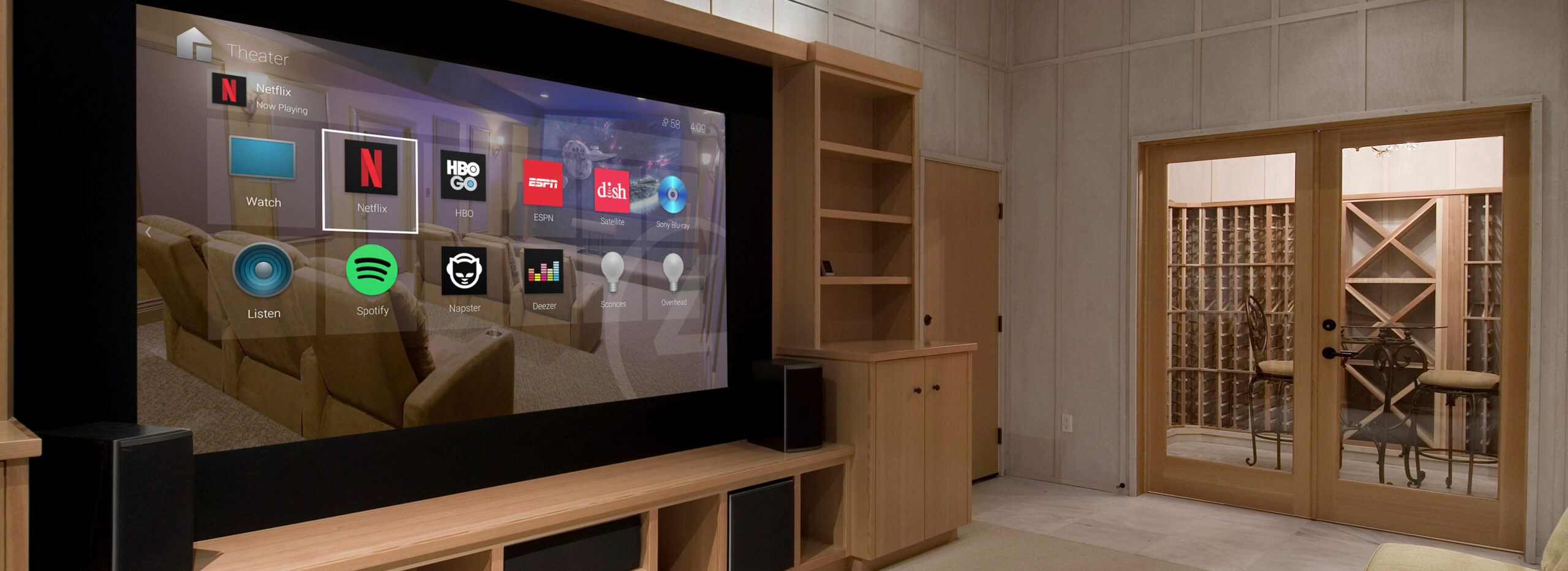
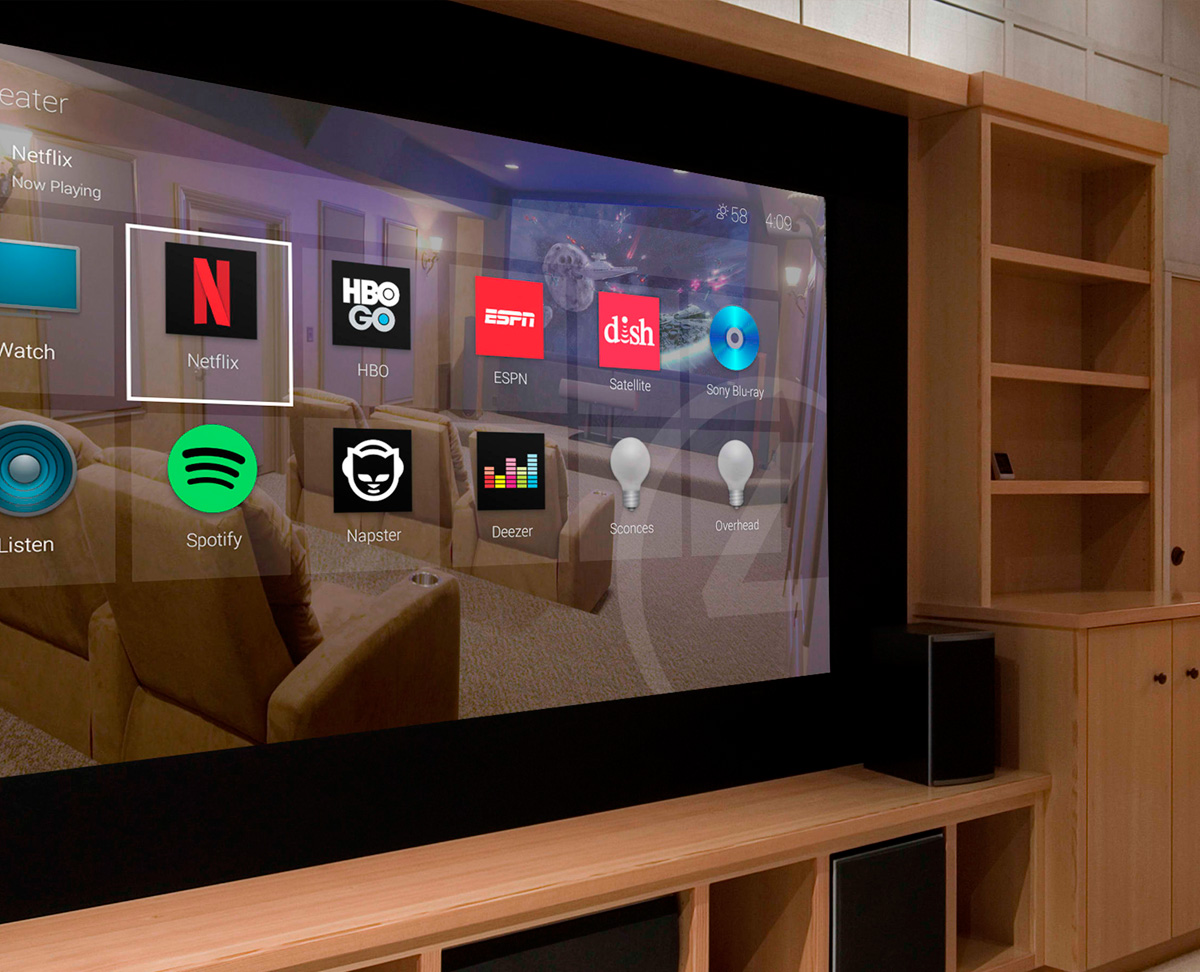
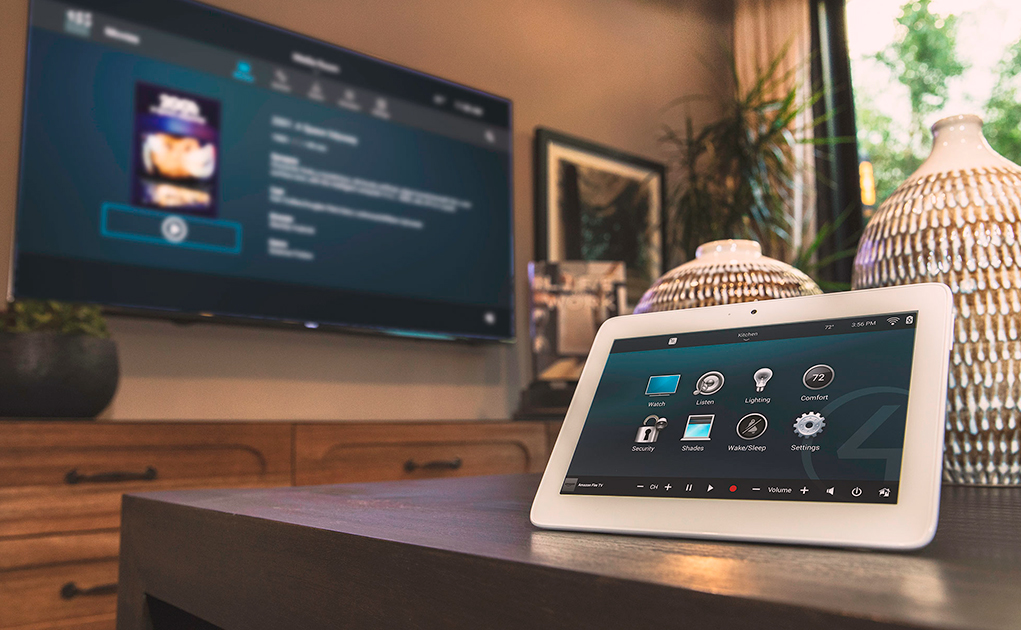
In architectural and entertainment installations, system integrators function as designers/engineers, bringing together a wide range of components from various manufacturers to achieve the goal of creating a unified functional system that meets customer needs.
System integrators are often involved in the selection of instruments, devices, and control components from among several to determine the specific combination of output, function, interfacing, program storage, controls, and user interfaces needed for specific projects.
The integrator is generally responsible for generating the amount of control, programming, interrelation. Collaborate with lighting consultant/AV consultant on feature programming and will commission the system once installed. Often the system integrator will also be the supplier for the projects they are commissioning and will collaborate with the lighting designer on the artwork.
As the level of sophistication of lighting and A/V systems increases, and the number of component manufacturers for these systems increases, so does the demand for system integrators.
WE ARE
DOMOTIC SPECIALIST
SKILLS
A systems integration engineer needs a wide range of skills and is likely to be defined by a breadth of knowledge rather than a depth of knowledge. These skills are likely to include software, hardware, electronics, networking, HVAC, electrical, enterprise systems and architecture, software and hardware engineering, interface protocols, and general troubleshooting skills.
The problems to be solved have probably not been solved before except in the broadest sense. They are likely to include new and challenging problems with input from a wide range of engineers where the systems integration engineer “brings it all together.”
PERFORMANCE
TECHNOLOGY
INTEGRATION
System integrators generally have to be good at matching customer needs with existing products. An inductive reasoning skill is useful for quickly understanding how to operate a system or graphical user interface.
A systems integrator will tend to benefit from being a generalist, knowing a great deal about a large number of products. Systems integration includes a substantial amount of diagnostic and troubleshooting work. The ability to research existing software products and components is also helpful. The creation of these information systems may include the design or construction of prototypes or custom concepts.
IN THE AUTOMATION
INDUSTRY
System integrators in the automation industry typically provide product and application expertise in implementing complex automation solutions.
Systems integrators are often aligned with automation vendors, joining their various programs to access development products, resources, and technical support. System integrators are closely tied to their accounts and are often thought of as the engineering departments of small manufacturers, dealing with the installation, commissioning, long-term maintenance, and security of their systems. of automation.
BRANDS






















PHONE / WSP
+54 9 11 3182-4800


LOCATION
Buenos Aires
Argentina

ADDRESS
Av. Hipólito Yrigoyen 239
Quilmes (1878)